
Ad Film Makers: How Creative Advertising Films Bring Brands to Life
Think about the last advertisement that truly caught your attention. Chances are it wasn’t just promoting a product it made you laugh, sparked an emotion, or told a story you could relate to. The most memorable commercials rarely rely on flashy visuals alone. They succeed because they connect with people.
Behind every successful campaign is a team of creative professionals who know how to turn an ordinary idea into a powerful visual experience. These are the people responsible for developing concepts, shaping narratives, directing performances, and delivering commercials that leave a lasting impression. Their work goes far beyond filming a video; they help businesses communicate their identity, values, and purpose through meaningful storytelling.
In today’s fast-moving digital world, attention spans are shorter than ever. Consumers scroll through hundreds of pieces of content every day, making it increasingly difficult for businesses to stand out. This is why professionally crafted advertising has become more important than ever. Whether it’s a television commercial, a digital campaign, or a launch film for social media, every second matters.
This is where ad film makers play a crucial role. They combine creativity, strategy, and technical expertise to create campaigns that not only look visually stunning but also inspire action.
In this guide, we’ll explore what they do, how creative commercials are developed, why they remain one of the most effective marketing tools, and what businesses should look for when choosing a creative production partner.
What Do Ad Film Makers Actually Do?
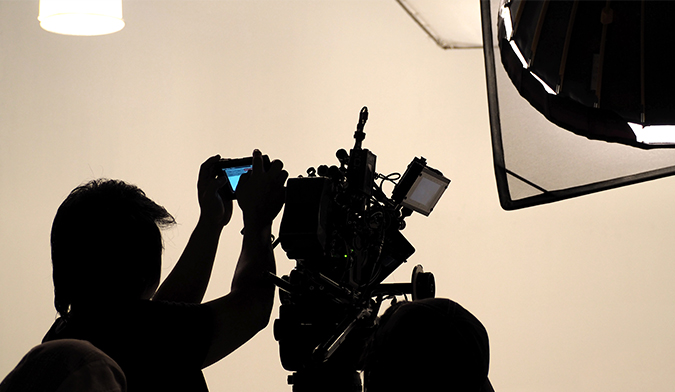
Many people assume their job starts when the camera begins recording. In reality, filming represents only one phase of a much larger creative process.
Professional ad film makers help transform business objectives into compelling visual stories. They collaborate with companies to understand the purpose behind every campaign before developing ideas that resonate with the intended audience.
Instead of focusing solely on beautiful cinematography, experienced teams ask important questions.
- Who is the audience?
- What problem does the product solve?
- What emotion should viewers experience?
- Where will the campaign be published?
- What action should people take after watching it?
The answers influence every creative decision that follows.
Unlike ordinary video shoots, commercial filmmaking combines strategic thinking with artistic execution. Every scene, every line of dialogue, every camera movement, and every visual element serves a purpose.
The objective isn’t simply to produce attractive visuals, it’s to create communication that people remember.
Why Creative Storytelling Matters More Than Ever
Consumers don’t remember product specifications.
They remember experiences.
This is one of the biggest reasons modern advertising has shifted away from direct selling and towards storytelling.
A compelling story captures attention within seconds, builds curiosity, creates emotional engagement, and naturally guides viewers towards a message. Whether the campaign is humorous, emotional, inspirational, or dramatic, the goal remains the same: making people care.
Great storytelling also helps businesses appear more authentic. Instead of telling customers why they should trust a company, a well-crafted commercial allows them to experience that trust through relatable situations and genuine emotions.
The strongest campaigns don’t interrupt people’s attention.
They earn it.
More Than Just Beautiful Visuals
People often associate commercial production with expensive cameras and impressive locations. While production quality certainly matters, visual excellence alone doesn’t create an effective advertisement.
Successful campaigns balance creativity with strategy.
Every decision from wardrobe selection and lighting to music, pacing, and editing supports the overall message.
Even a beautifully filmed commercial can fail if it doesn’t communicate something meaningful.
Experienced creative teams understand this balance.
Their focus isn’t simply making content look cinematic.
Their focus is making it memorable.
The Journey From Idea to Screen
Every successful campaign begins long before filming.
The first stage usually involves understanding the business, its products, competitors, audience, and marketing objectives. Creative discussions then help identify the strongest concept capable of communicating those goals.
Once the direction is approved, scriptwriting begins.
A good script isn’t just dialogue.
It establishes emotion, pacing, visuals, transitions, and storytelling structure. Every scene is carefully planned before production starts.
Storyboards often follow, allowing the entire crew to visualise each frame before arriving on set.
This preparation reduces uncertainty during filming while ensuring everyone shares the same creative vision.
Building the Right Team
Commercial filmmaking is highly collaborative.
While the audience may recognise the actors on screen, dozens of specialists contribute behind the scenes.
Creative directors refine ideas.
Producers organise logistics.
Writers shape the narrative.
Cinematographers design the visual language.
Lighting technicians create atmosphere.
Editors build rhythm.
Sound designers enhance emotion.
Colourists establish mood.
Visual effects artists add finishing touches when required.
Every professional contributes a specific skill that ultimately strengthens the final campaign.
Rather than working independently, these specialists function as one creative ecosystem.
That collaboration often determines whether a campaign becomes forgettable or unforgettable.
Why Preparation Is the Secret Behind Great Commercials
Many people believe filming is the most important part of production.
In reality, experienced filmmakers often say the opposite.
Preparation determines success.
Location scouting, scheduling, casting, wardrobe planning, equipment selection, production design, and technical testing all happen before cameras begin rolling.
Careful planning allows creative teams to focus entirely on storytelling during the shoot instead of solving avoidable problems.
It also helps projects remain within budget and on schedule.
Businesses sometimes underestimate this stage because very little is visible externally.
Yet strong preparation is often what separates average campaigns from exceptional ones.
Every Platform Needs a Different Story
Modern campaigns rarely exist in just one place.
A television commercial may also appear on YouTube.
Instagram may require vertical edits.
LinkedIn audiences often prefer professional storytelling.
Short-form platforms demand concise messaging.
Streaming platforms prioritise cinematic quality.
Instead of producing separate campaigns for every channel, experienced teams develop adaptable creative assets that maintain consistency across multiple platforms.
The message remains the same.
Only the presentation changes.
This flexibility allows businesses to maximise the value of every production while maintaining a recognisable identity.
How Technology Is Changing Modern Advertising
The way businesses communicate has evolved dramatically over the last decade. While television commercials continue to play an important role, today’s campaigns are designed for a much broader ecosystem that includes YouTube, Instagram, OTT platforms, websites, and digital advertising.
This shift has changed how creative teams approach every project.
Instead of producing a single commercial, many campaigns now include multiple versions tailored for different platforms. A 60-second brand film may also be edited into 30-second, 15-second, and 6-second formats, ensuring the message reaches audiences wherever they consume content.
Technology has also made production more efficient. High-resolution digital cameras, advanced drones, motion-control systems, AI-assisted editing, and sophisticated post-production tools have expanded what’s creatively possible. However, while technology continues to evolve, it remains just a tool.
Ideas still win.
Even the most advanced equipment cannot replace a meaningful story or a clear understanding of the audience.
What Makes a Great Advertising Campaign?
Some commercials become part of popular culture, while others disappear within days of being released.
The difference usually isn’t budget.
It’s clear.
Successful campaigns communicate one simple idea exceptionally well. They avoid trying to say too much and instead focus on delivering one memorable message that viewers can easily understand and remember.
Great campaigns often share a few common characteristics:
- They begin with a strong creative concept.
- They understand the audience before writing the script.
- They evoke genuine emotion rather than relying only on product features.
- They maintain a consistent visual identity.
- They end with a clear and purposeful call to action.
Whether the goal is increasing awareness, introducing a new product, or strengthening customer trust, simplicity almost always outperforms complexity.
How to Choose the Right Creative Partner
Selecting the right production company is one of the most important decisions a business can make when planning a campaign.
While portfolios are important, they’re only one part of the equation.
A reliable creative partner should also understand your industry, ask thoughtful questions, and take the time to understand your business rather than simply executing instructions.
Before making a decision, consider asking:
- Have they worked across different industries?
- Does their work reflect a consistent creative standard?
- Can they explain their process from concept to delivery?
- Do they understand both traditional and digital campaigns?
- Are they transparent about timelines and budgets?
- Can they adapt content for multiple platforms?
The right team won’t simply produce a visually appealing commercial—they’ll help communicate your business in a way that’s authentic, memorable, and strategically aligned with your objectives.
Common Mistakes Businesses Make
Many organisations invest significant resources into production but overlook the planning that happens before the shoot.
Some of the most common mistakes include:
Prioritising Equipment Over Ideas
Expensive cameras don’t automatically create better campaigns. A compelling concept supported by thoughtful storytelling will almost always outperform impressive visuals without purpose.
Trying to Say Too Much
Many commercials attempt to explain every feature, benefit, and achievement in under a minute. The result is often confusing.
The strongest campaigns focus on one central message.
Ignoring the Audience
Businesses sometimes create advertisements based on what they want to say instead of what their audience wants to hear.
Understanding customer behaviour is often the difference between a campaign that gets noticed and one that’s ignored.
Treating Video as a One-Time Asset
A professionally produced campaign can generate value far beyond a single upload.
Footage can be repurposed into social media clips, website banners, promotional reels, behind-the-scenes content, recruitment videos, and future marketing campaigns.
Thinking long-term helps maximise the return on every production.
The Future of Creative Advertising
The advertising industry continues to evolve, but one principle remains unchanged: people connect with stories, not sales pitches.
Artificial intelligence, immersive experiences, virtual production, and interactive media are transforming how campaigns are created and distributed. Yet despite these technological advances, creativity remains the driving force behind memorable advertising.
Brands that invest in authentic storytelling, strong visual identity, and audience-first communication are more likely to build lasting relationships than those focused solely on promotion.
As competition continues to grow across every platform, businesses that embrace thoughtful, well-crafted visual communication will have a stronger opportunity to stand out in an increasingly crowded marketplace.
Final Thoughts
Great advertising doesn’t happen by accident.
Every memorable commercial is the result of careful planning, creative thinking, technical expertise, and seamless collaboration. From the earliest brainstorming sessions to the final edit, every stage plays a role in shaping how people perceive a business.
Professional ad film makers do far more than produce commercials. They translate ideas into visual experiences that educate, inspire, entertain, and influence audiences. Whether the objective is launching a new product, building brand awareness, or creating a long-term campaign, a thoughtfully produced commercial has the power to leave a lasting impression.
In a world where attention is limited and competition is constant, meaningful storytelling continues to be one of the most valuable marketing investments any business can make.
Frequently Asked Questions
What do ad film makers do?
Ad film makers develop creative concepts, plan production, direct shoots, and oversee editing to create advertising campaigns that communicate a business’s message effectively across television, digital platforms, and social media.
Why are advertising films important?
Advertising films combine storytelling with visual communication, making it easier for businesses to capture attention, build trust, and improve brand recall in a competitive market.
How long does a commercial production take?
The timeline varies depending on the campaign’s complexity. Smaller projects may take a few weeks, while larger productions involving multiple locations, actors, and extensive post-production can take several weeks to complete.
What industries benefit from commercial filmmaking?
Almost every industry including healthcare, automotive, education, fashion, hospitality, technology, manufacturing, FMCG, and real estate can use creative video campaigns to communicate with their target audience.
What should businesses look for in a production partner?
Look beyond the portfolio. Choose a team that understands your goals, has a clear creative process, communicates transparently, and can produce content tailored for both traditional and digital platforms.
Can one campaign be used across multiple platforms?
Yes. Most modern productions are planned with multiple formats in mind, allowing the same campaign to be adapted for television, YouTube, websites, Instagram Reels, LinkedIn, OTT platforms, and other digital channels without losing consistency.
Write a Comment